
Our Services
Oral Hygiene
Oral hygiene in Royal Oak, Michigan, focuses on simple daily habits and regular professional care that keep teeth and gums healthy for life. At Royal Oak Smiles, patients can use this guide to understand how at-home routines and in-office cleanings work together to prevent cavities, gum disease, and bad breath.
Oral Hygiene Explained
Oral hygiene refers to the steps you take to remove plaque, the soft biofilm that develops on teeth every day. When plaque is not cleared, it hardens into tartar, also called calculus, which cannot be removed with a toothbrush. Plaque and tartar harbor bacteria that produce acids and toxins. These irritants can cause tooth decay, gingivitis, and, over time, periodontitis.
Good oral hygiene combines consistent brushing and flossing with professional dental cleanings. This approach lowers the risk of cavities, helps prevent gum disease, and supports fresh breath and comfortable chewing. It also allows dental teams to catch small problems early and to provide personalized coaching on brushing technique, flossing tools, and home care options.
Benefits of Good Oral Hygiene
- Reduced risk of tooth decay with consistent plaque removal.
- Lower chance of gingivitis and periodontitis through gum disease prevention.
- Fresher breath by limiting odor-causing bacteria.
- Brighter, smoother teeth after plaque and tartar removal.
- More predictable dental visits with fewer urgent issues.
- Support for overall health since oral inflammation can affect the body.
The Oral Hygiene Process
At-Home Routine
- Brush twice a day for two minutes. Use a soft-bristled brush and fluoride toothpaste, angling bristles at the gumline with short, gentle strokes.
- Clean between teeth once daily. Use floss, interdental brushes, or a water flosser to remove plaque a toothbrush cannot reach.
- Remember the tongue because it can trap bacteria that affect breath.
- Choose water often and limit frequent snacking to reduce acid exposure.
- Consider an electric toothbrush if hand fatigue or technique makes brushing difficult.
In-Office Care
- Comprehensive exams check teeth, gums, bite, and soft tissues.
- Professional dental cleanings remove plaque and tartar above and below the gumline.
- Polishing smooths surfaces, making new plaque less likely to stick.
- Fluoride treatments can strengthen enamel and reduce decay risk.
- Dental sealants may be recommended for children to protect deep grooves in molars.
What to Expect at a Cleaning Visit
A typical appointment includes a health history review and a discussion of any symptoms, such as bleeding gums or sensitivity. X-rays may be taken if needed to look for decay between teeth or to assess bone levels. Your hygienist will evaluate gum health and record measurements that help track periodontal status over time.
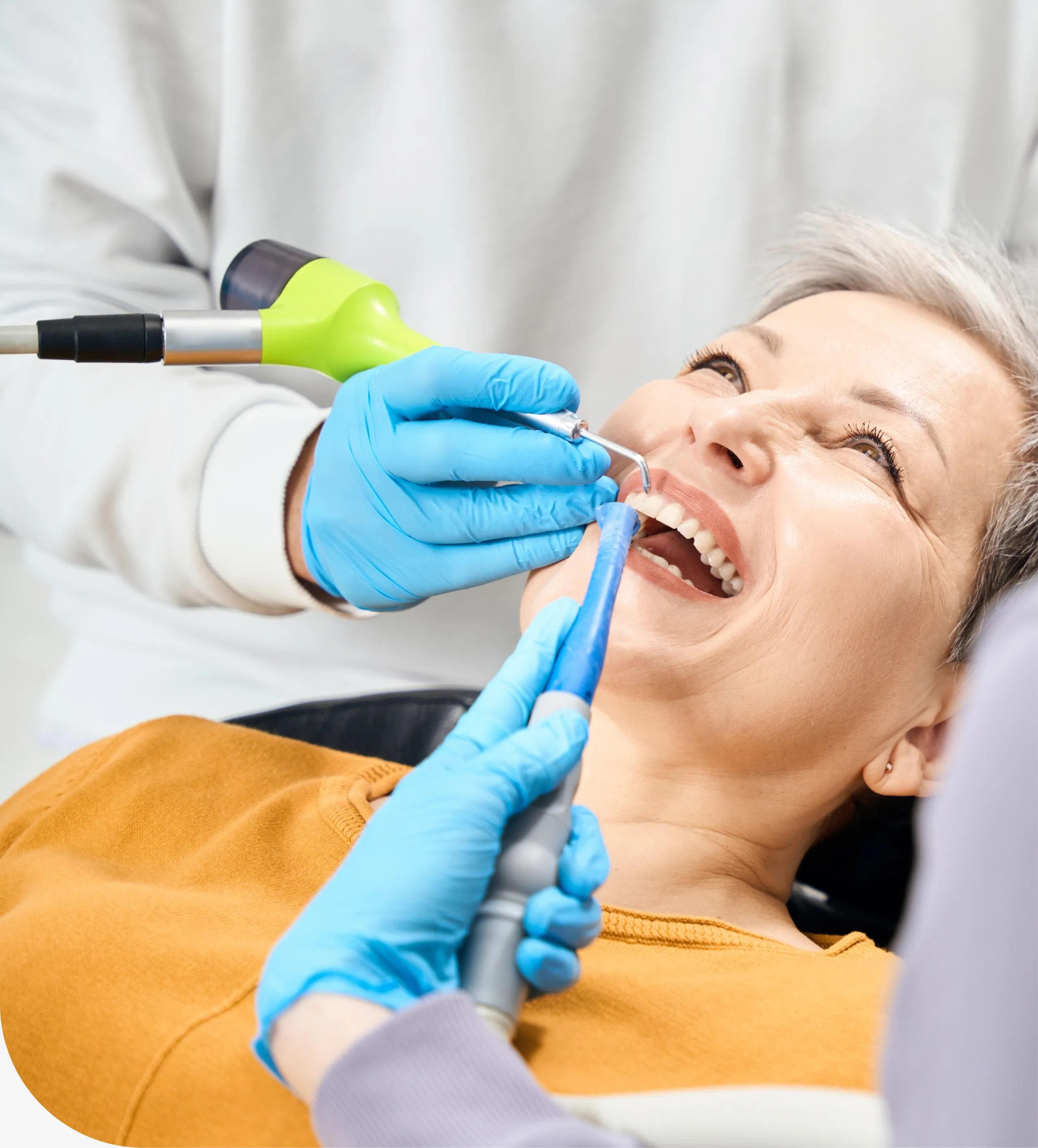
Cleaning involves ultrasonic and manual instruments to lift away plaque and tartar. You may hear vibrations and feel water spray during scaling. Polishing follows to remove surface stain, and flossing completes the visit. Our dentist will then examine your teeth and gums and discuss any findings or next steps.
Mild tenderness or temporary gum sensitivity can occur, especially if it has been a while since your last cleaning. This usually resolves within a day. If signs of gum disease are found, the team may discuss a deeper cleaning called scaling and root planing and set more frequent maintenance visits.
Before and After Oral Hygiene Visits
- Brush and floss before the appointment so the focus can be on areas that need extra attention.
- Share your medication list and any medical updates, including changes in health.
- Eat a light meal and drink water to stay comfortable during the appointment.
- Follow instructions if fluoride is applied, including when to eat, drink, and brush afterward.
- Use a soft brush and warm saltwater rinses if gums feel tender later that day.
Frequently Asked Questions
Plaque forms when bacteria mix with food debris and saliva to create a sticky film on teeth. If not removed, it hardens into tartar that adheres tightly to enamel and roots. Tartar irritates gums and shelters bacteria, increasing the risk of cavities and gum disease.
Both can work well when used correctly. Electric brushes can help with consistent pressure and motion, which benefits people who struggle with technique or dexterity. The best choice is the one you will use properly twice a day.
Many adults do well with cleanings every six months. People with a history of gum disease, heavy tartar buildup, or certain medical conditions may benefit from visits every three to four months. Your schedule is personalized to your mouth.
No. Mouthwash can freshen breath and reduce bacteria but does not remove plaque stuck between teeth. Only floss, interdental brushes, or a water flosser can disrupt plaque in those tight spaces.
Early signs include gums that bleed when brushing or flossing, persistent bad breath, red or puffy gums, and tenderness. Later signs may include gum recession, loose teeth, or changes in your bite.
Sealants can protect the deep grooves in permanent molars where decay often starts. They are a quick, painless coating placed during a regular visit and can lower cavity risk in kids.
Bleeding often indicates inflammation caused by plaque. Gentle, daily flossing with proper technique typically reduces bleeding within one to two weeks. If bleeding persists, schedule an evaluation.
Ready to Get Started?
Schedule Your Visit Today
Contact Royal Oak Smiles to learn more or book a consultation with our experienced team.