
Our Services
Dental Implant Placement
Dental implant placement in Royal Oak, Michigan, is a precise, restorative procedure that replaces missing tooth roots with biocompatible posts to support crowns, bridges, or dentures. This page explains what dental implant placement involves, who may benefit, how the process works, and what patients can expect before and after treatment.
Dental Implant Placement Explained
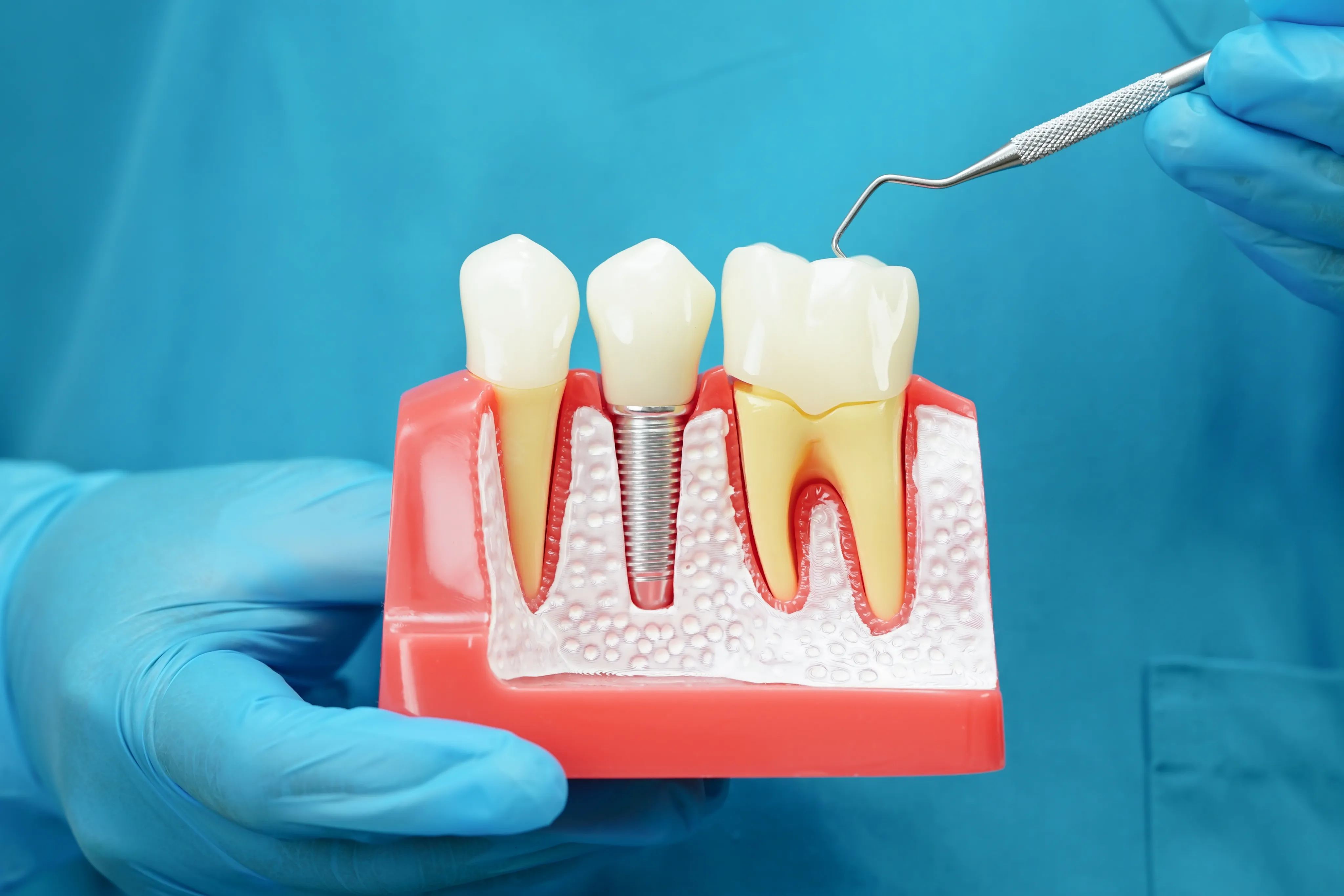
Dental implants are small titanium posts that act as artificial roots. After placement in the jaw, they fuse with bone through the osseointegration process. An abutment connects the implant to a custom restoration, such as a crown for a single tooth or a bridge or denture for multiple teeth. For many patients, this approach offers a stable, natural-feeling solution compared with removable appliances.
Candidates typically have healthy gums, adequate bone volume, and a commitment to home care. When bone is thin or missing, grafting or a sinus lift may be recommended to create a secure foundation. Patients often ask what is dental implant placement, how dental implants work, and how the dental implant healing timeline affects the final result. The sections below address these common questions.
Benefits of Dental Implant Placement
- Preserves jawbone by stimulating bone during chewing, reducing the risk of future collapse.
- Protects neighboring teeth because no enamel needs to be shaved for a traditional bridge.
- Restores chewing efficiency and comfort so favorite foods are easier to enjoy.
- Improves speech clarity by stabilizing the restoration against slipping.
- Offers long-term value with high success rates when supported by good oral hygiene.
- Supports facial structure to help maintain a natural profile over time.
How Dental Implant Placement Works
Step-By-Step Implant Guide
- Consultation and planning: A comprehensive exam, 3D imaging, and a review of medical history determine candidacy and map out the plan.
- Site preparation: If needed, tooth extraction, bone grafting, or a sinus lift helps ensure adequate support for the implant.
- Placement visit: Under local anesthesia and optional sedation, the titanium implant is positioned in the jaw with careful attention to angulation and depth.
- Healing and osseointegration: Over several weeks to months, bone fuses with the implant to create a stable anchor for the restoration.
- Abutment and impressions: After healing, an abutment is attached and digital or traditional impressions are taken for the final crown or prosthesis.
- Final restoration and follow-up: A custom crown, bridge, or denture is secured, followed by periodic checks to monitor comfort and function.
What to Expect
Before the procedure, patients receive clear instructions on eating, medications, and day-of logistics. During placement, local anesthesia keeps the area numb, and many patients describe pressure rather than pain. Mild swelling or soreness for a few days is typical and improves with cold compresses and over-the-counter medication unless otherwise directed.
Early dental implant aftercare focuses on keeping the site clean while avoiding disturbance. A soft diet, gentle brushing, and prescribed rinses support healing. Most people return to normal routines within a day or two, though strenuous activity should be limited initially. The dental implant healing timeline varies by case, but many implants are restored after three to six months once the bone has integrated. Long-term success depends on daily brushing and flossing, routine hygiene visits, and avoiding tobacco. Patients weighing a single tooth implant vs bridge often find that implants help preserve bone and do not alter healthy adjacent teeth.
Frequently Asked Questions
Most implants integrate over three to six months, though the timeline can be shorter or longer based on bone density, grafting needs, and overall health. The osseointegration process must be complete before the final restoration is attached.
Local anesthesia keeps the area numb during surgery, and many patients feel only pressure. Postoperative soreness is usually mild and manageable with recommended pain relief and cold compresses.
Ideal candidates have healthy gums, sufficient bone, and stable medical conditions. Gum disease, uncontrolled diabetes, and smoking can affect healing. Alternatives such as bridges or partial dentures may be considered if implants are not appropriate.
A single tooth implant replaces only the missing tooth and protects neighboring teeth, while a bridge relies on adjacent teeth for support. Implants also help preserve bone in the area of tooth loss.
Follow instructions for gentle cleaning and rinsing, eat soft foods, and avoid smoking. Once healed, brush and floss daily around the implant and keep up with professional cleanings to maintain health. If you have questions about dental implant placement in Royal Oak, MI, or want to discuss your options,
Ready to Get Started?
Schedule Your Visit Today
Contact Royal Oak Smiles to learn more or book a consultation with our experienced team.