
Our Services
Restorative Dentistry
Restorative dentistry in Royal Oak, Michigan, helps patients repair damaged or missing teeth so they can eat, speak, and smile with confidence. This page outlines common treatments, how they work, and what to expect before, during, and after care.
Explore Our Restorative Dentistry Services
About Restorative Dentistry Care
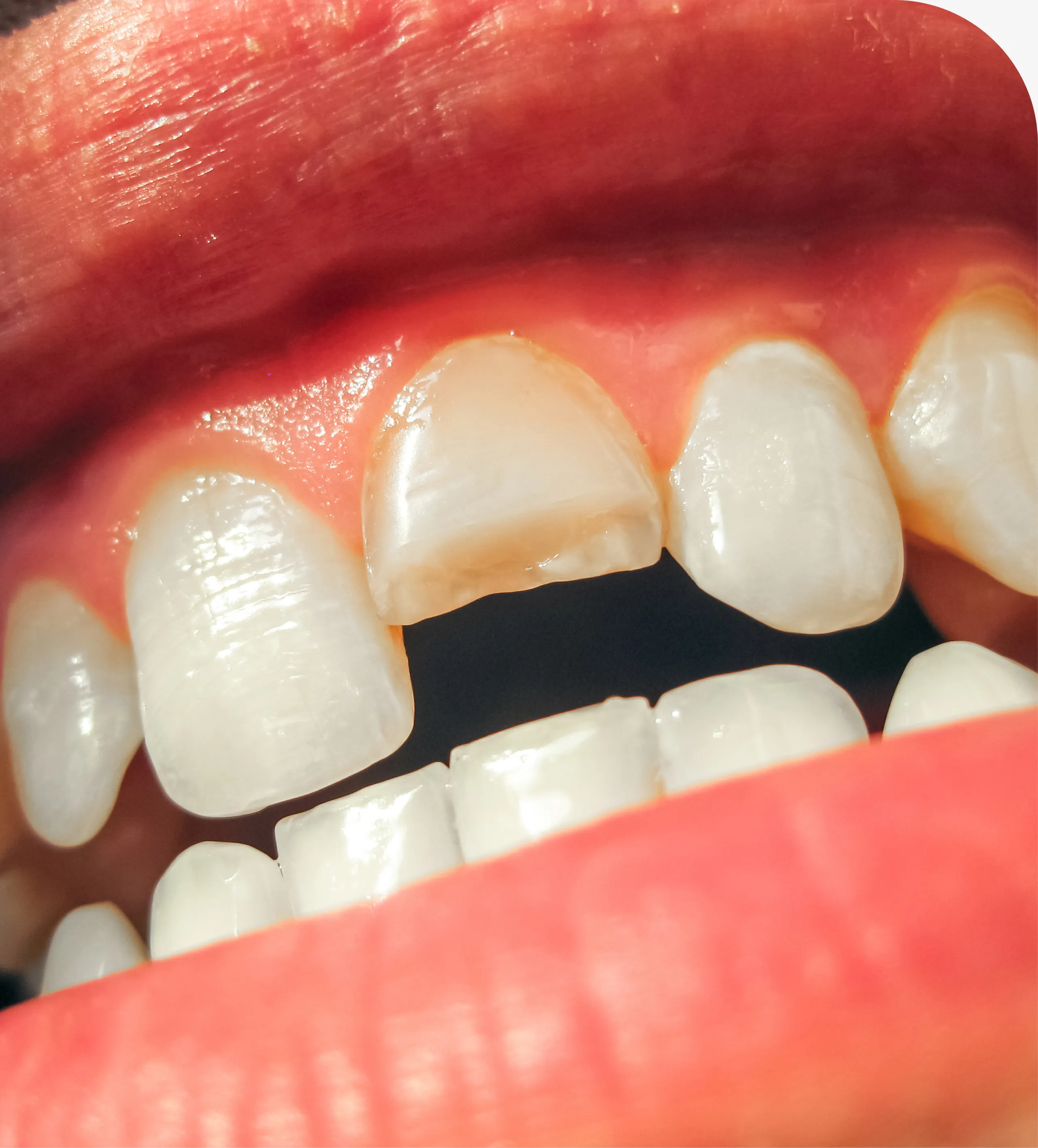
Restorative dentistry focuses on rebuilding tooth structure and replacing teeth that are lost to decay, fracture, wear, or gum disease. If you are searching for what is restorative dentistry, it includes options such as tooth-colored fillings, inlays and onlays, dental crowns, bridges, dental implants, root canal therapy, and dentures. Each option restores function while aiming to keep as much natural tooth as possible.
Tooth-colored fillings repair small to moderate cavities. Inlays and onlays strengthen a tooth when damage is too large for a filling but not extensive enough to need a full crown. Dental crowns cover the entire biting surface when a tooth is cracked, heavily worn, or after root canal therapy. When a tooth is missing, a bridge or a dental implant can fill the gap. A bridge anchors to neighboring teeth, while an implant is placed in the jaw to support a crown. For several missing teeth, partial or full dentures can restore chewing and appearance.
Benefits of Restorative Dentistry
- Improved chewing efficiency so you can enjoy a wider range of foods.
- Better speech clarity when missing or worn teeth are rebuilt.
- Protection of remaining tooth structure to prevent fractures and further decay.
- Stabilized bite to reduce tooth shifting and uneven wear.
- Support for jawbone health when dental implants stimulate the bone.
- Natural-looking results that blend with your smile.
- Pain relief when infections or cracked teeth are treated.
How Treatment Works
The process begins with a thorough exam, X-rays, and, when needed, 3D imaging. Our dentist will discuss findings and explain how treatments like fillings or crowns work, the differences between bridges and implants, and whether a root canal vs extraction is appropriate. A personalized plan outlines the number of visits, the sequence of care, and estimated healing times.
Common Treatment Paths
- Fillings: Decay is removed and the tooth is rebuilt with a bonded, tooth-colored material in a single visit.
- Crowns: The tooth is shaped, a precise scan or impression is taken, and a custom crown is placed, often over two visits with a temporary in between.
- Root canal therapy: Infected pulp is cleaned and sealed inside the tooth, followed by a filling or crown for strength.
- Dental implants: A titanium post is placed in the jaw, allowed to integrate, and restored with a crown to replace a single missing tooth; bridges or dentures can also be supported by implants.
- Bridges and dentures: Teeth or implants support a bridge, while removable dentures replace several or all teeth on an arch.
What to Expect After Treatment
Most procedures are completed with local anesthesia for comfort. Mild soreness or temperature sensitivity can occur for a few days, especially after deep fillings, crowns, or a root canal. Over-the-counter pain relievers usually help. Soft foods may be recommended for the first 24 to 48 hours, and you should avoid chewing on a temporary crown or fresh implant site.
Good oral hygiene supports healing and long-term success. Brush twice daily with a fluoride toothpaste, clean between teeth with floss or interdental brushes, and consider a water flosser around bridges and implants. For denture care tips, remove and clean dentures daily, keep them moist when out of your mouth, and have the fit checked if sore spots develop. Nightguards can protect new work if you clench or grind.
Regular checkups are essential. Professional cleanings and exams help monitor restorations, maintain gum health, and catch small issues before they become larger problems.
Frequently Asked Questions
Restorative care treats cavities, cracks, worn teeth, missing teeth, failed fillings, and infections inside the tooth. It rebuilds strength and function while improving comfort.
A crown fits over a prepared tooth like a protective cap. It restores shape, supports chewing, and helps prevent future fractures. Crowns are custom-made to match your bite and shade.
A bridge uses neighboring teeth as anchors to replace a missing tooth, while an implant is placed in the jawbone and restored with a crown. Implants help preserve bone and do not rely on adjacent teeth.
With modern anesthesia, most patients feel pressure but not pain during treatment. Post-procedure tenderness is common for a day or two and usually improves with simple pain relief.
Longevity depends on the material, bite forces, and home care. Fillings often last many years, while crowns, bridges, and implants can last longer with routine maintenance.
It is best to wait until numbness wears off to avoid biting your cheek or tongue. Soft foods are a good choice for the first day, especially if you have a temporary crown. For restorative dentistry in Royal Oak, MI, tailored to your needs,
Ready to Get Started?
Schedule Your Visit Today
Contact Royal Oak Smiles to learn more or book a consultation with our experienced team.